Matrescence: The Identity Shift of Motherhood Nobody Warned You About
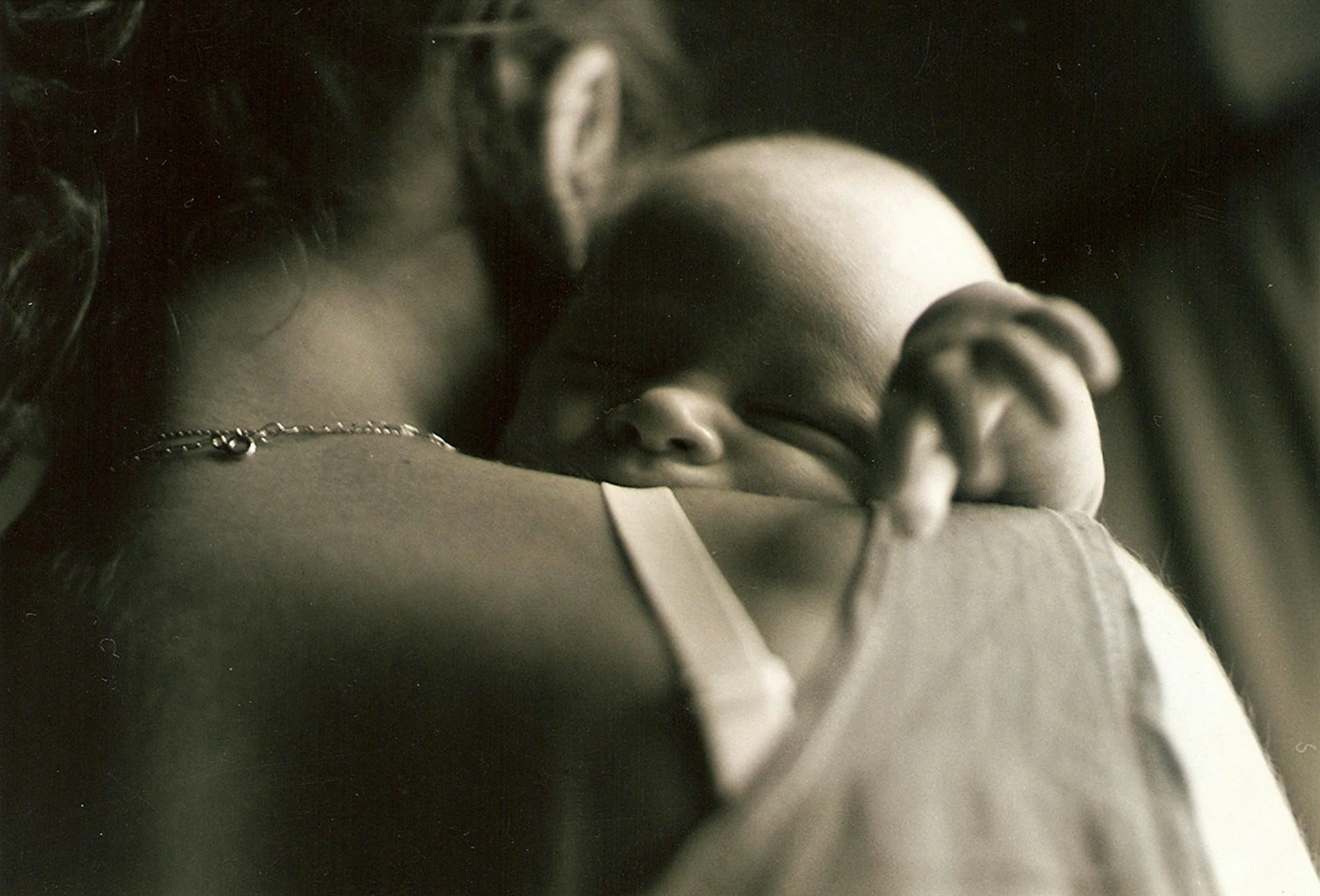
There is a word for what happens when you become a mother.
Not just for the sleeplessness, the recovery, or the relentlessness of newborn care. But for the stranger you see in the mirror. For the grief you feel about a life that still existed three months ago. For the way you love your child so ferociously it frightens you, and yet some mornings you lie in bed and wonder: where did I go?
That word is matrescence.
And the fact that most of us have never heard it is one of the quietly devastating gaps in how we talk about becoming a mother. Nobody says it the antenatal class, or the postnatal checkup, or even in the books that promised to prepare us.
What Matrescence Actually Means
The term was first coined in 1973 by medical anthropologist Dana Raphael, the same researcher who popularised the word "doula." Raphael used "matrescence" deliberately (a parallel to adolescence) to describe the sweeping developmental transformation that happens when a woman becomes a mother.
It sat largely unused for decades. Then reproductive psychiatrist Dr Alexandra Sacks began writing and speaking about it in the late 2010s, and something shifted. Women started finding the word, and the word started finding them.
Matrescence describes the physical, psychological, neurological, and social metamorphosis of new motherhood. Not just the external adjustments. The feeding schedules, the everyday demands of caring for a child but for the internal tectonic shift. The sense of being unmade and remade at the same time.
This common experience is not a failure of adjustment. It is, in Raphael's framing, a normal developmental stage. One that every mother moves through, and one that our culture has almost entirely failed to name, validate, or support.
The Science: Your Brain Actually Changes
If you have ever felt, in early motherhood, that you are somehow thinking differently, less like yourself, more attuned to threat, more alert to your baby's breathing in a way that feels almost animal, there is a neurological reason for that.
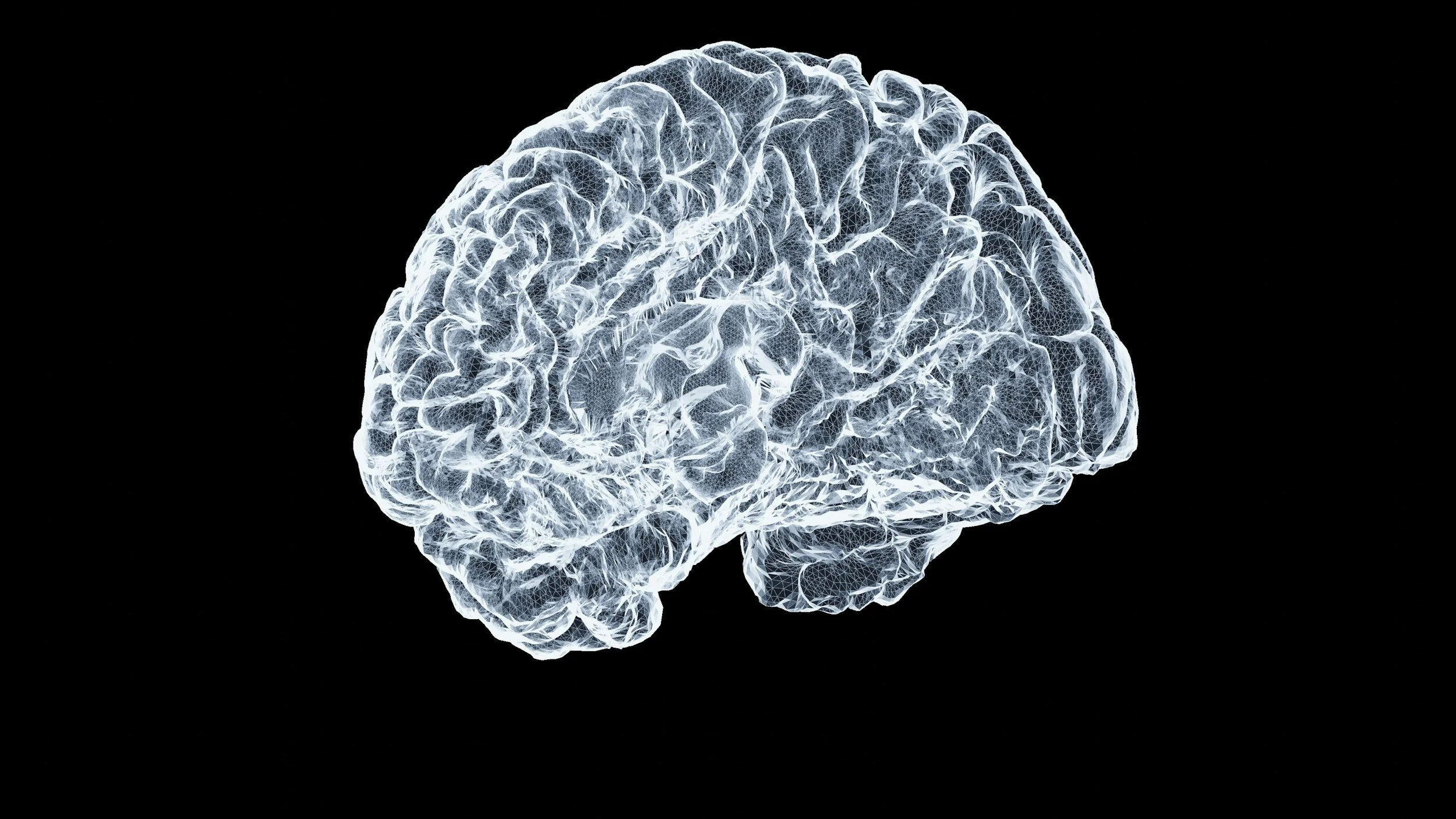
In 2017, a research team led by Elseline Hoekzema published a landmark study in Nature Neuroscience tracking the brains of women before and after their first pregnancy. The findings were striking: pregnancy produces measurable, lasting changes to grey matter volume in the brain, particularly in regions associated with social cognition, empathy, and the ability to read another person's mental and emotional state.
The same changes were not found in first-time fathers, nor in women who had not been pregnant. And when the researchers followed up two years later, the changes were still there. The pattern, they noted, resembled the synaptic pruning seen in adolescence. The brain becoming more efficient, more specialised, reorganising itself for a new phase of life.
This is not "baby brain." This is a fundamental neurological remodelling. Your brain is quite literally not the same brain it was before you became a mother.
Understanding this matters. Not because it should alarm you, but because it reframes something. The disorientation of early motherhood is not weakness. or ingrattitude. It is what happens when a brain and a self are being rebuilt from the inside out.
The Identity Rupture Nobody Talks About
Most antenatal preparation focuses on birth and feeding. Very little of it prepares you for the ego rupture.
The woman who walked into the labour ward and the woman who walked out are not the same person. Not in any dramatic or traumatic sense necessarily, but in the way that someone is changed by any profound, irreversible threshold. You cannot un-become a mother.
What this often looks like in practice:
A persistent sense of being between two selves — not who you were, but not yet knowing who you are becoming.
Grief for your old life, your old freedom, your old sense of self — felt as real loss even when you wanted the baby and love them deeply.
Difficulty recognising yourself in the mirror, in photos, in conversations— a feeling of being a stranger in your own life.
Rage you did not expect — at your partner for the role that’s not required of them. At your friends for their freedom. At yourself for the rage.
A painful ambivalence — loving your child and, in the same breath, missing who you were before them.
This is normal. This is matrescence.
The ambivalence is perhaps the part women carry with the most shame. We are not supposed to grieve the life we chose to leave. We are not supposed to feel anything other than grateful. The word matrescence gives us permission to feel the complexity. It says: my experience doesn’t negate my love for my child, my experience is a developmental process.
The Second Wave: Matrescence and Separation
Matrescence doesn’t end when the newborn haze lifts. For many mothers, a second, sometimes more disorienting wave, arrives later. This is often around the time a child begins to move toward independence.
The first stretch of motherhood is relentless proximity. Whatever its difficulties, there is a kind of clarity to it: you are needed, your role is total, your self has been subsumed but at least you know where it went. The second wave arrives when that grip begins to loosen.

When a baby becomes a toddler who runs away from you. When a child starts school and no longer needs you in the same way. When a relationship ends and you find yourself, suddenly, without the scaffolding of partnered parenthood. When the children are with their other parent for the weekend and the silence in the house feels like something has been removed from your chest.
This second wave of matrescence, the identity reckoning that comes with separation, with a child's growing independence, with the dissolution of a family unit you built, is rarely discussed even in the circles that talk about matrescence at all. It tends to arrive not as grief for what you never had, but as disorientation about who you are now,
outside of the tight dyad of early motherhood.
Many mothers going through separation describe it in strikingly similar terms: I know I'm still a mother, but I don't know what else I am. The role that colonised their identity is now shared, part-time, punctuated by custody schedules. Who are you on the Thursdays you don't have the children? Who are you when you are not, in that moment, actively being someone's mother?
This is the second chapter of matrescence. The part where the self that was set aside has to be retrieved. Often that retrieval is harder and stranger than anyone told you it would be.
If this is where you are, a few things are worth knowing:
First, the grief is real. Grieving the family structure you planned, the daily presence of your children, the version of yourself that existed inside that unit, all of it deserves to be acknowledged as loss, not minimised as practicality.
Second, the disorientation is temporary, even when it doesn't feel it. Identity is not fixed. The woman who is finding herself again after separation — or after her youngest started school, or after the children left home — is not lost. She is mid-process.
Third, this is when support matters most. Not just the logistical support of co-parenting arrangements and legal frameworks, but the psychological support of being seen as a whole person in the middle of a profound transition. Therapy, peer community, and simply having language for what you are experiencing can make the difference between feeling broken and feeling tentatively and gradually like you are becoming someone new.
What Matrescence Is Not
It is worth naming what matrescence is not.
Matrescence is not postnatal depression. PND is a clinical condition affecting around one in five mothers in the UK. Its symptoms (persistent low mood, inability to feel pleasure, intrusive thoughts, anxiety, difficulty bonding) require clinical support. Matrescence is a universal developmental process. The two can certainly overlap: the vulnerability of matrescence may increase susceptibility to PND, and PND can deepen the identity rupture. But they are not the same thing. If you are wondering whether what you are feeling is more than the expected upheaval please speak to your GP or health visitor.
Matrescence is not a reason to suffer in silence. Naming a process does not mean enduring it alone. Understanding that your brain has changed, and your identity is in flux, and your grief is legitimatet is the beginning, not the end. You do not have to navigate this without help. Try seeking a therapist with experience in major life transitions and motherhood.
Matrescence is not only for new mothers. It can resurface at every transition: a second child, a return to work, a child starting school, a relationship ending, a child leaving home. Motherhood continues to reshape identity throughout life. The word applies whenever that reshaping is happening.
Finding Your Way Back — Or Forward

The goal of matrescence is not to return to who you were before children. That self is gone. Not destroyed, but integrated into something larger and more complicated. The goal, as far as there is one, is integration: to hold both the woman you were and the mother you have become, without either erasing the other.
That work looks different for different women. For some it is therapy. For some it is community: other mothers who speak the same language, who will not tell you to be grateful when you need to grieve. For some it is creative practice, movement, work, or a slow return to the things that made you feel like a person before you became someone's parent.
What it almost always requires is language. You cannot process what you cannot name. Matrescence is a name. It is permission. It is a map, even if it doesn't show every road.
You are not disappearing. You are transforming.
UK Resources for Matrescence Support
If you are navigating the identity shifts of motherhood, whether in the early days or a later transition, these UK-based resources may help:
MamaRising: Offers a directory of coaches that work with mothers navigating matrescence.
PANDAS Foundation UK: Pre- and postnatal mental health support. Helpline: 0808 1961 776.
Mothers for Mothers: Offers maternal mental health and emotional wellbeing support for parents in and around the Bristol area.
BACP Therapist Directory: Find an accredited therapist in your area with experience support the transition to motherhood.
NHS Talking Therapies— Free psychological therapies available on the NHS. Self-refer via your GP or online.
If you are concerned that what you are experiencing may be postnatal depression, anxiety, or another perinatal mental health condition, please contact your GP or call the PANDAS helpline (08081961776). You do not have to decide whether it's "serious enough" before reaching out.
Frequently Asked Questions
What is matrescence?
Matrescence is the physical, psychological, neurological and social transformation a woman undergoes when she becomes a mother. Coined by anthropologist Dana Raphael in 1973 and later popularised by reproductive psychiatrist Alexandra Sacks, it describes a process as profound as adolescence — one that reshapes identity, relationships, and brain structure.
Is matrescence recognised by the NHS?
Matrescence is not yet a formal NHS diagnosis, but awareness is growing among perinatal mental health teams. The NHS does offer talking therapies and perinatal mental health support that can help you process the identity shifts and emotional upheaval of early motherhood. Ask your GP or health visitor about a referral.
How long does matrescence last?
There is no fixed timeline. Research suggests neurological changes to the brain persist for at least two years after birth (Hoekzema et al., 2016), and many mothers describe the deeper identity work taking three to five years. Matrescence is not a phase to get through — it is an ongoing process of integration.
What are the signs of matrescence?
Common signs include feeling like you no longer recognise yourself, grieving your pre-baby life while also loving your child, struggling with the loss of autonomy, feeling rage or resentment you didn't expect, relationship strain with a partner or friends, and a sense of being between two selves — not the woman you were, not yet sure who you are becoming.
Is matrescence the same as postnatal depression?
No — though they can overlap. Matrescence is a universal developmental process. Postnatal depression (PND) is a clinical condition affecting around one in five mothers in the UK. The emotional turbulence of matrescence can look like PND, and PND can be more likely during the vulnerability of matrescence. If low mood, anxiety or intrusive thoughts are persistent, please speak to your GP.
Does matrescence affect your brain?
Yes. A landmark 2016 study in Nature Neuroscience (Hoekzema et al.) found that pregnancy causes measurable, lasting changes to grey matter volume in the brain — particularly in regions linked to social cognition and empathy. These changes were still detectable two years after birth. The researchers noted the pattern was similar to adolescent brain remodelling.
Where can I find support for matrescence in the UK?
UK resources include: matrescence.uk (specialist support and therapist directory), PANDAS Foundation UK (pre- and postnatal mental health support, 0808 1961 776), MIND (mental health information and local services), BACP therapist directory (bacp.co.uk), and NHS Talking Therapies (self-refer via your GP or NHS website).
References
Research references: Raphael, D. (1973). The Tender Gift: Breastfeeding. Prentice Hall. | Hoekzema, E. et al. (2016). Pregnancy leads to long-lasting changes in human brain structure. Nature Neuroscience, 20, 287–296.